Media
Dr Jasmina Kevric is a committed health advocate and is regularly featured in the media on a range of topics, including breast health, women in surgery, refugee health, and medical research. She uses these platforms to share expert insights, raise awareness, and promote informed public discussion on important health and social issues.








-
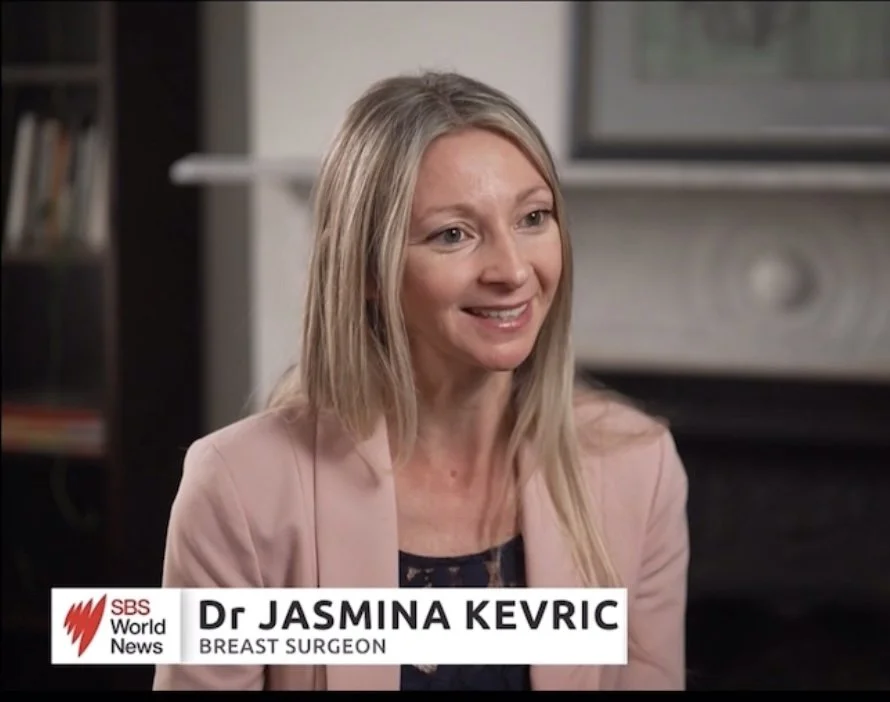
Dr Jasmina Kevric was interviewed by SBS World News about her journey from surviving conflict as a refugee to becoming a surgeon and health advocate in Australia, highlighting resilience, education, and the importance of accessible healthcare.
-
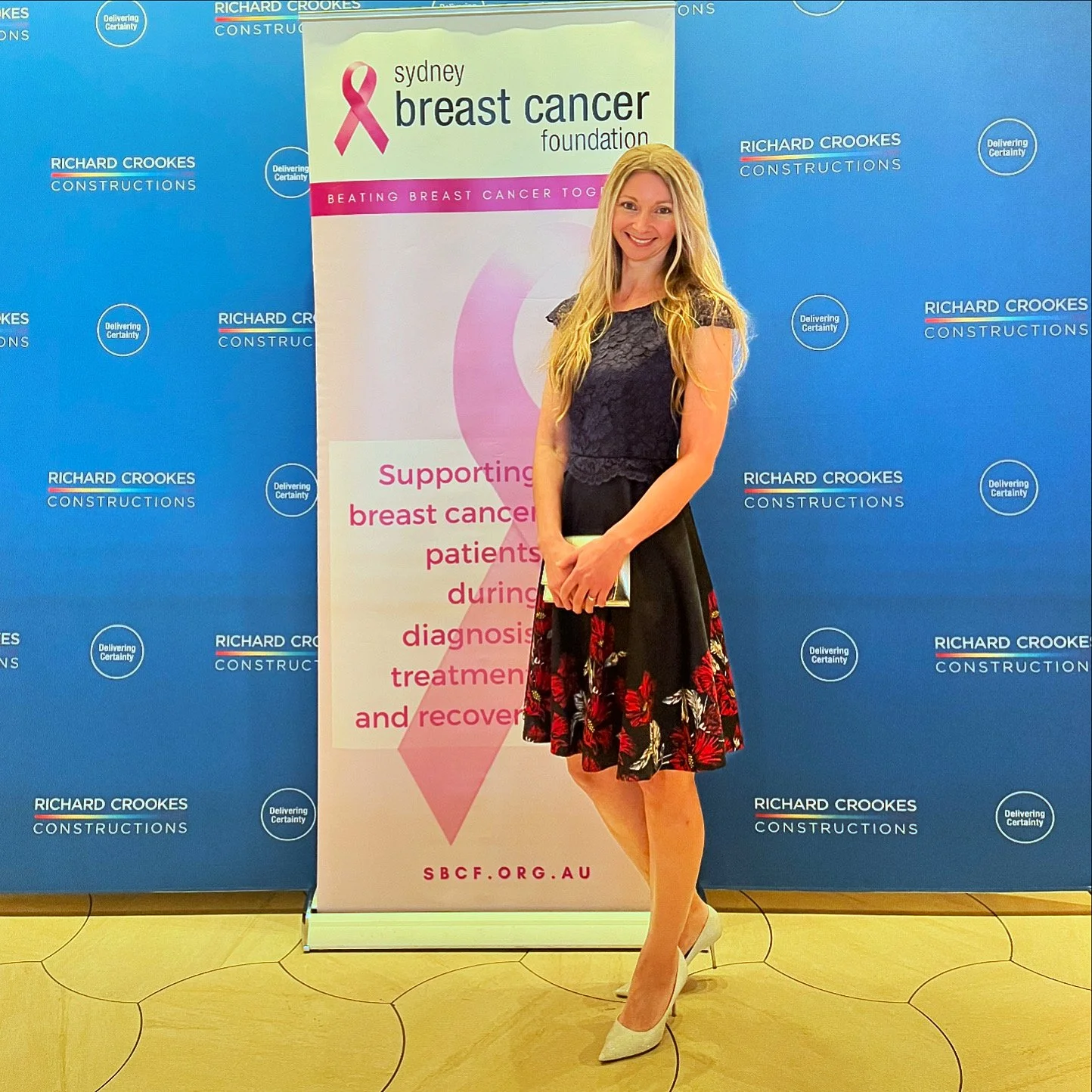
Dr Jasmina Kevric spoke to Body+Soul to highlight the breast changes that affect women and its relationship with period fatigue.
-
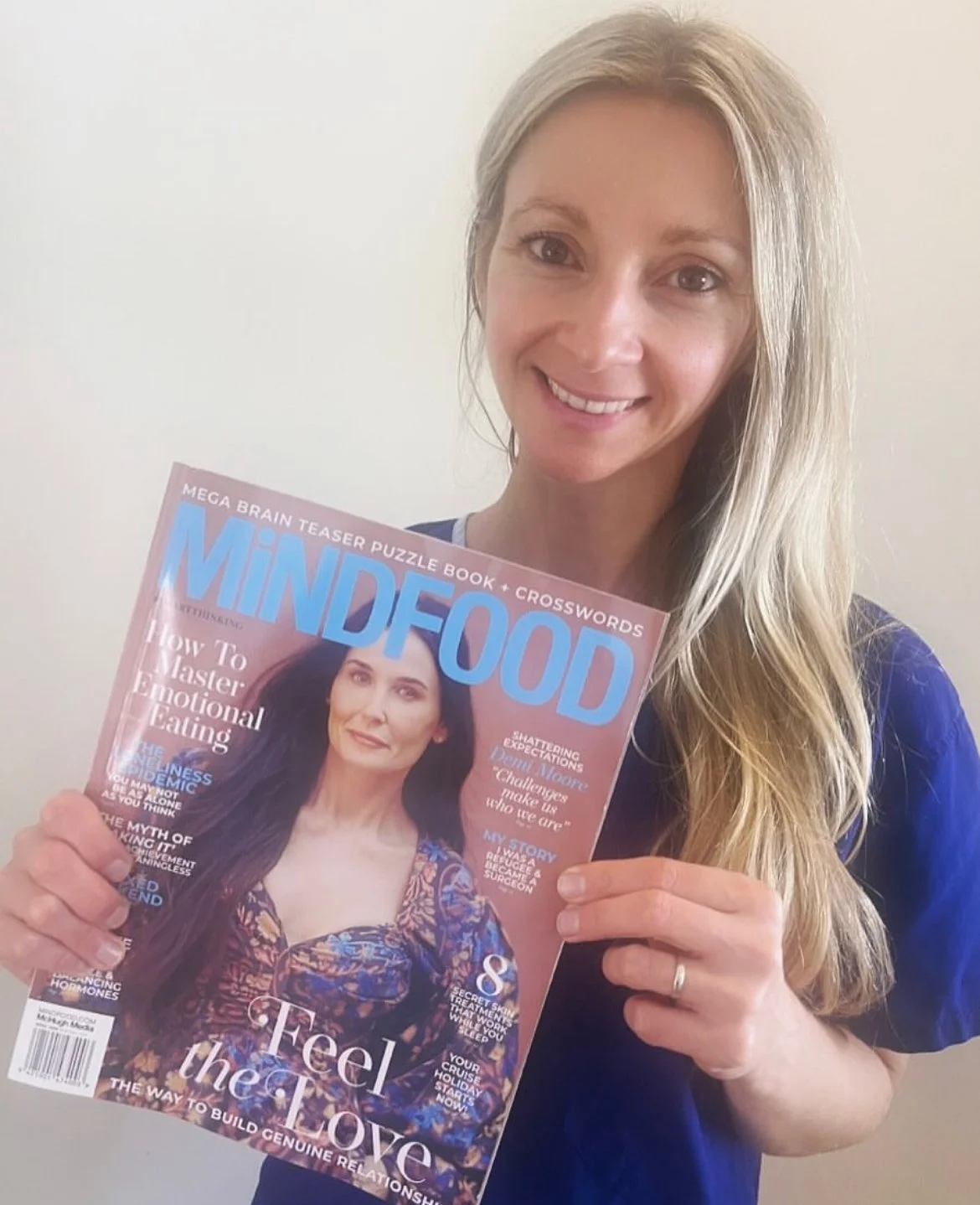
Featured in MiNDFOOD magazine, Dr Jasmina Kevric shared her personal journey from surviving war as a child refugee to becoming a breast surgeon and health advocate, reflecting on resilience, healing, and her commitment to helping others.
-

Women's Agenda: Featured in Women’s Agenda, Dr Jasmina Kevric reflected on her 15-year journey to becoming a surgeon, sharing lessons on resilience, balance, and the importance of staying grounded through the challenges of medical training and practice.
-
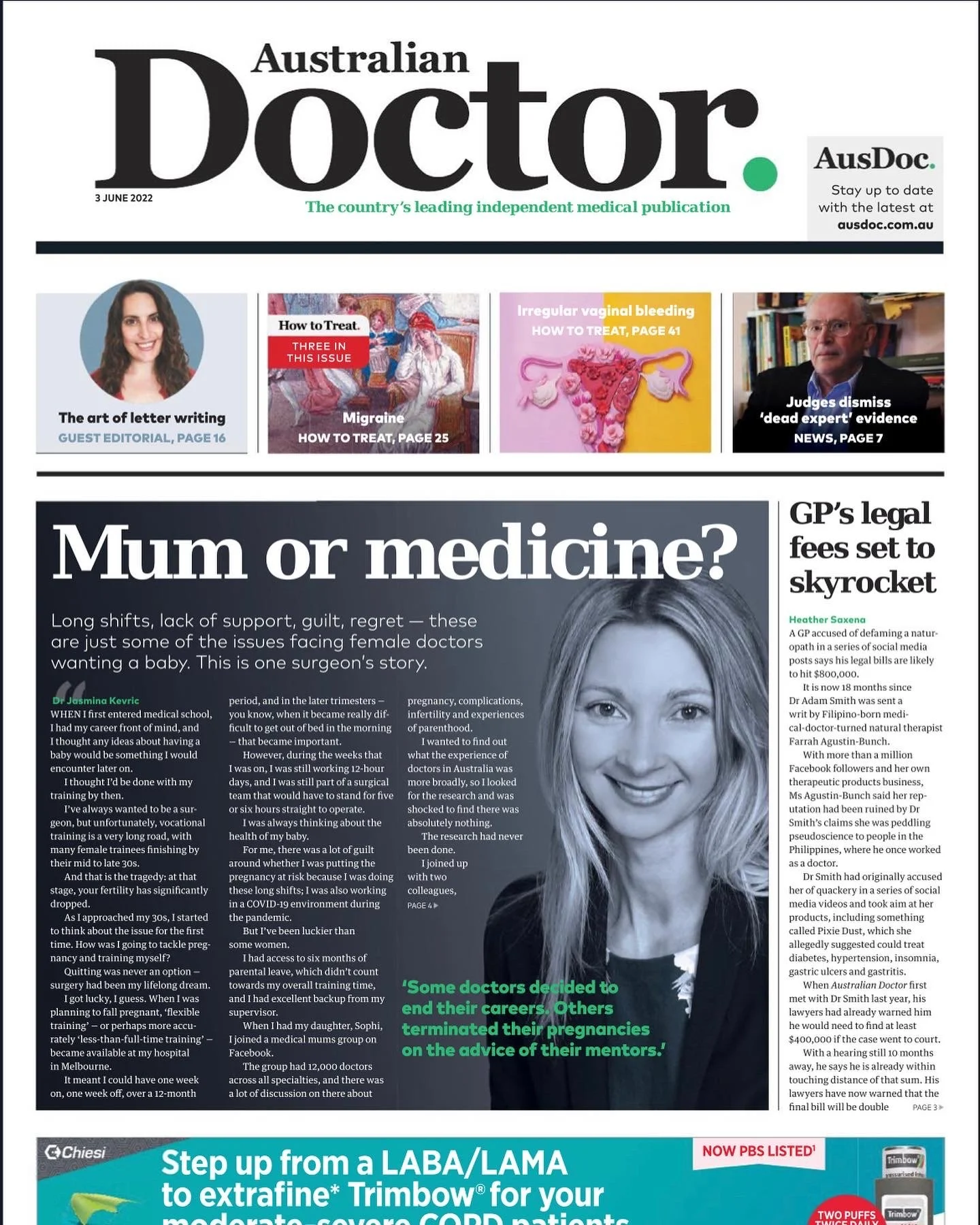
Featured on the cover of Australian Doctor, Dr Jasmina Kevric shared her personal experience and insights into the challenges faced by female doctors balancing surgical training with starting a family. She discussed long working hours, lack of flexibility, and the impact on fertility, highlighting the need for greater support and systemic change to help women in medicine pursue both career and parenthood.
-
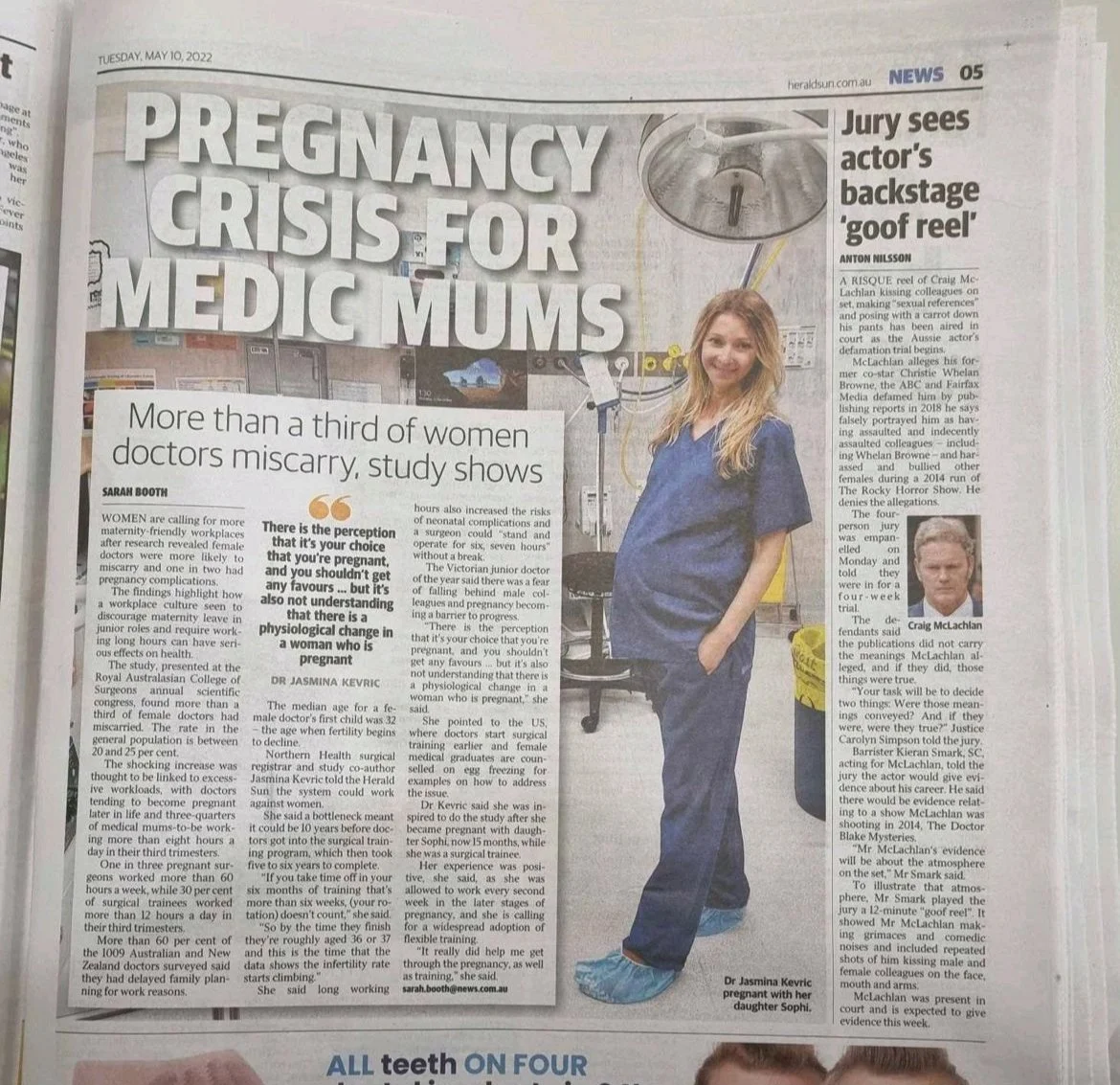
Featured in the Herald Sun, Dr Jasmina Kevric contributed to a discussion on how demanding workloads and stress in the medical profession may contribute to higher miscarriage rates among doctors, advocating for systemic change to protect the health and wellbeing of healthcare workers.
-
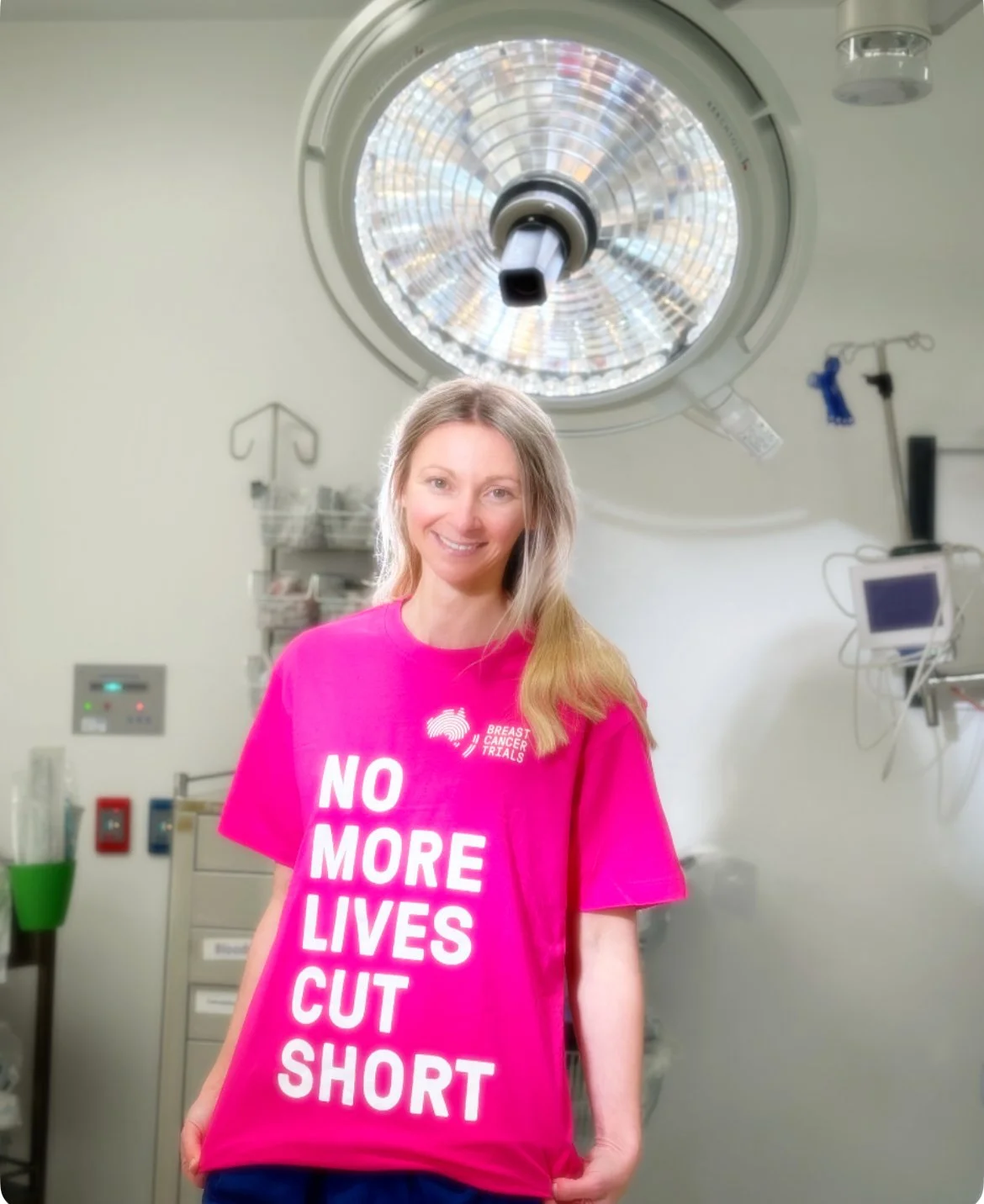
In Women’s Agenda, Dr Jasmina Kevric discussed the impact of COVID-19 restrictions on elective surgeries, highlighting how reduced operating time compromised surgical training opportunities for trainees and could affect future workforce readiness.
-
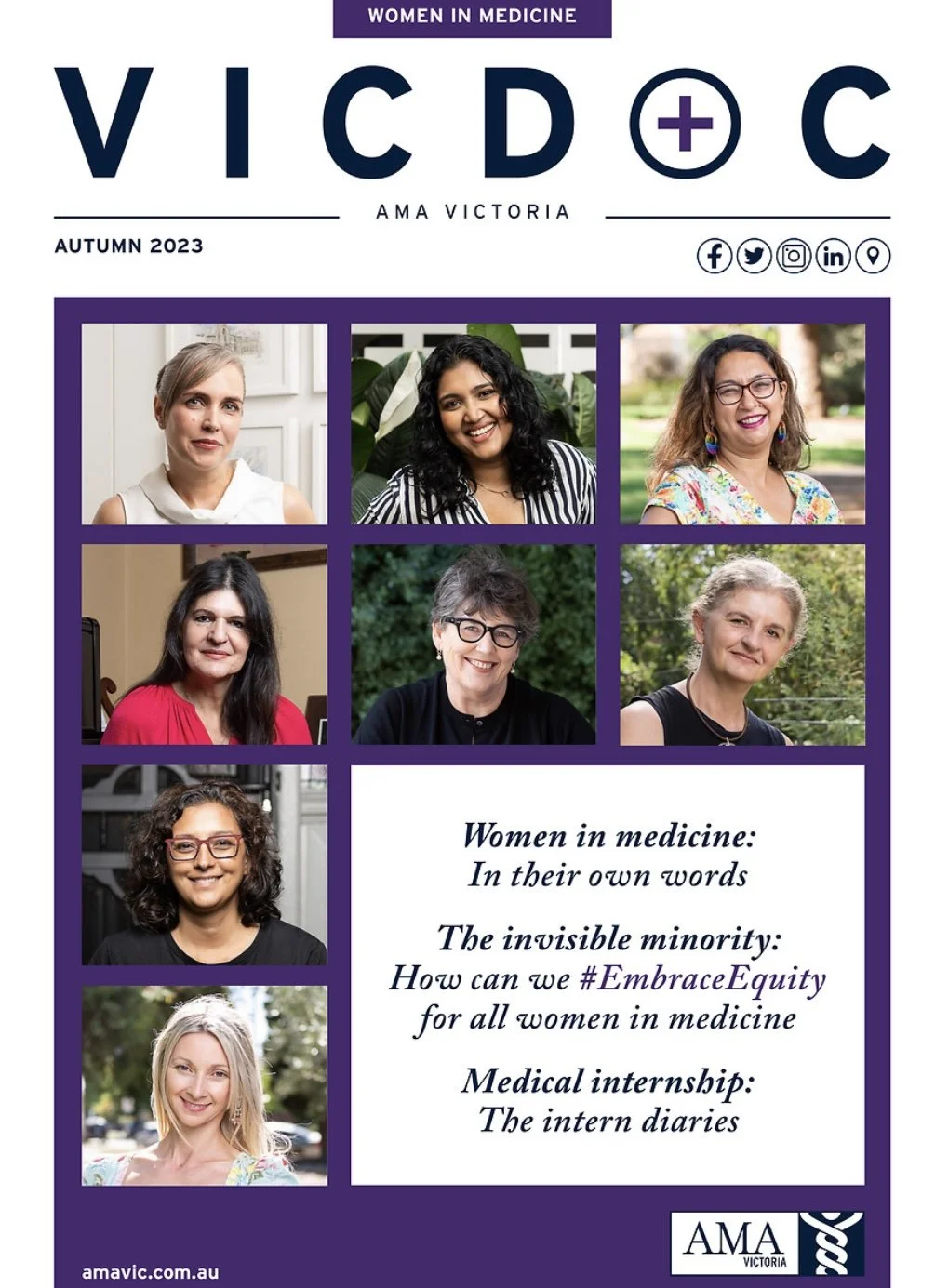
Featured on the cover of VicDoc (Australian Medical Association Victoria), Dr Jasmina Kevric discussed the importance of International women's Day highlighting the need for greater participation of women in the workforce.
-
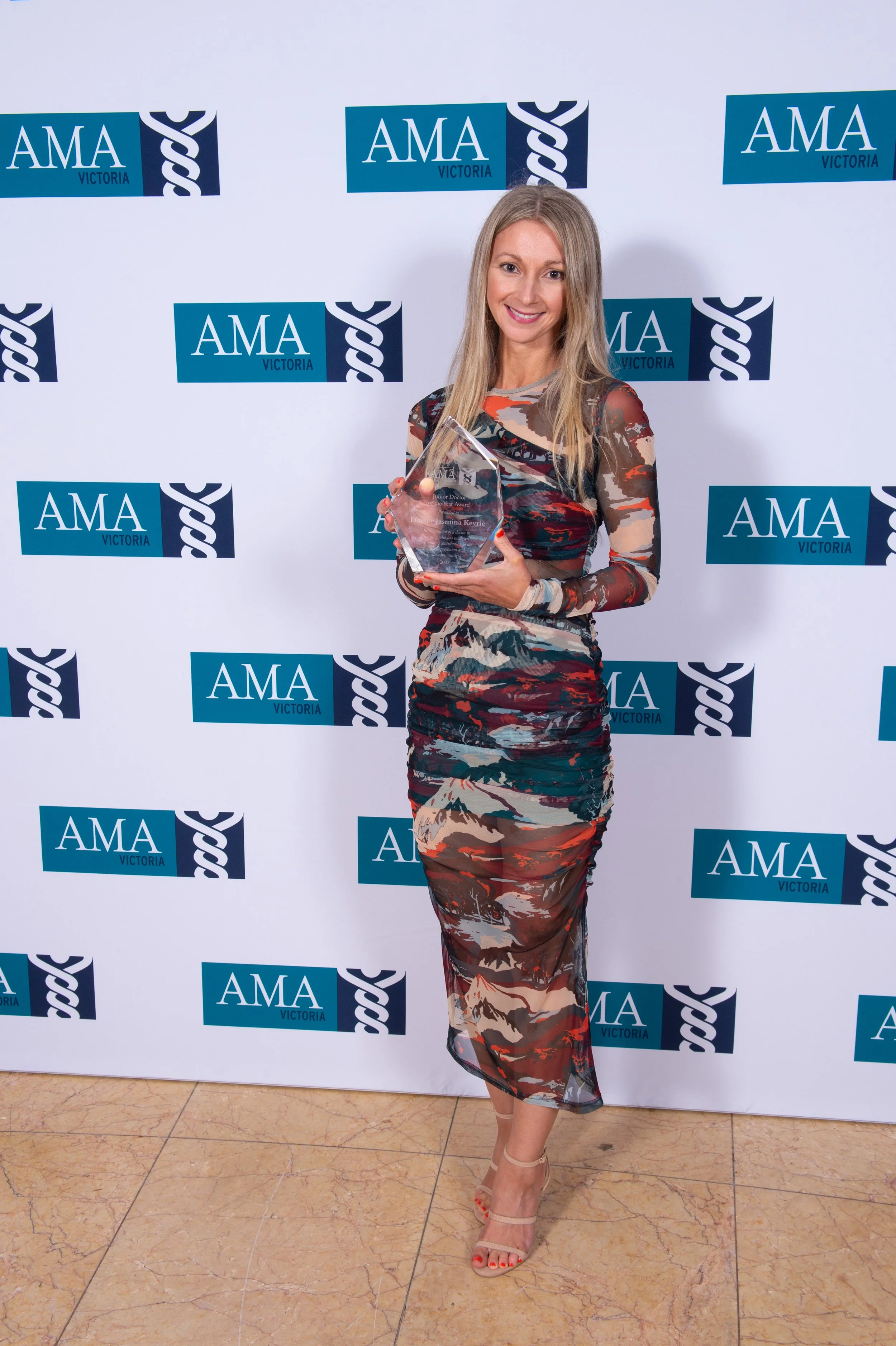
The Dandenong Star Journal profiled Dr Jasmina Kevric after she was named Doctor of the Year, recognising her achievements as a breast surgeon, academic, and public health advocate, as well as her inspiring journey from refugee to medical leader.
-
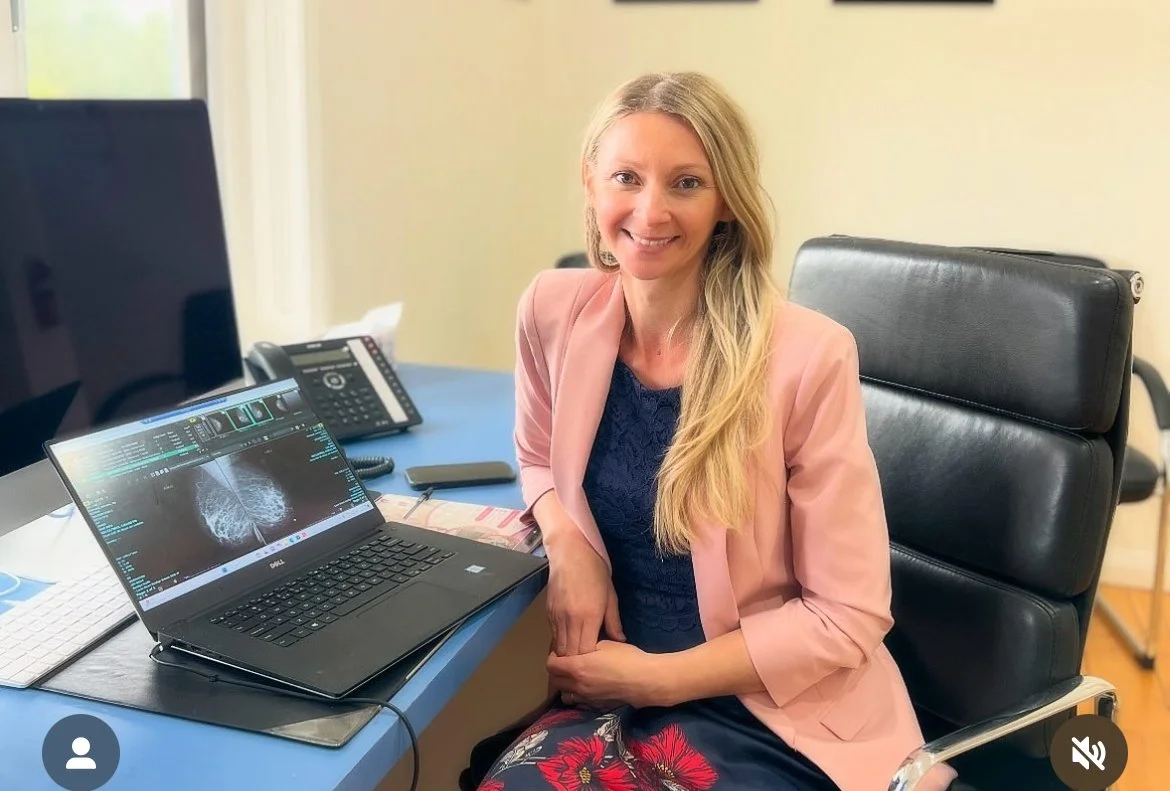
In Women’s Agenda, Dr Jasmina Kevric addressed the unspoken challenges faced by women in surgical training, including discrimination, career setbacks, and personal sacrifices linked to pregnancy, calling for cultural and structural reforms to support gender equity in surgery.
-
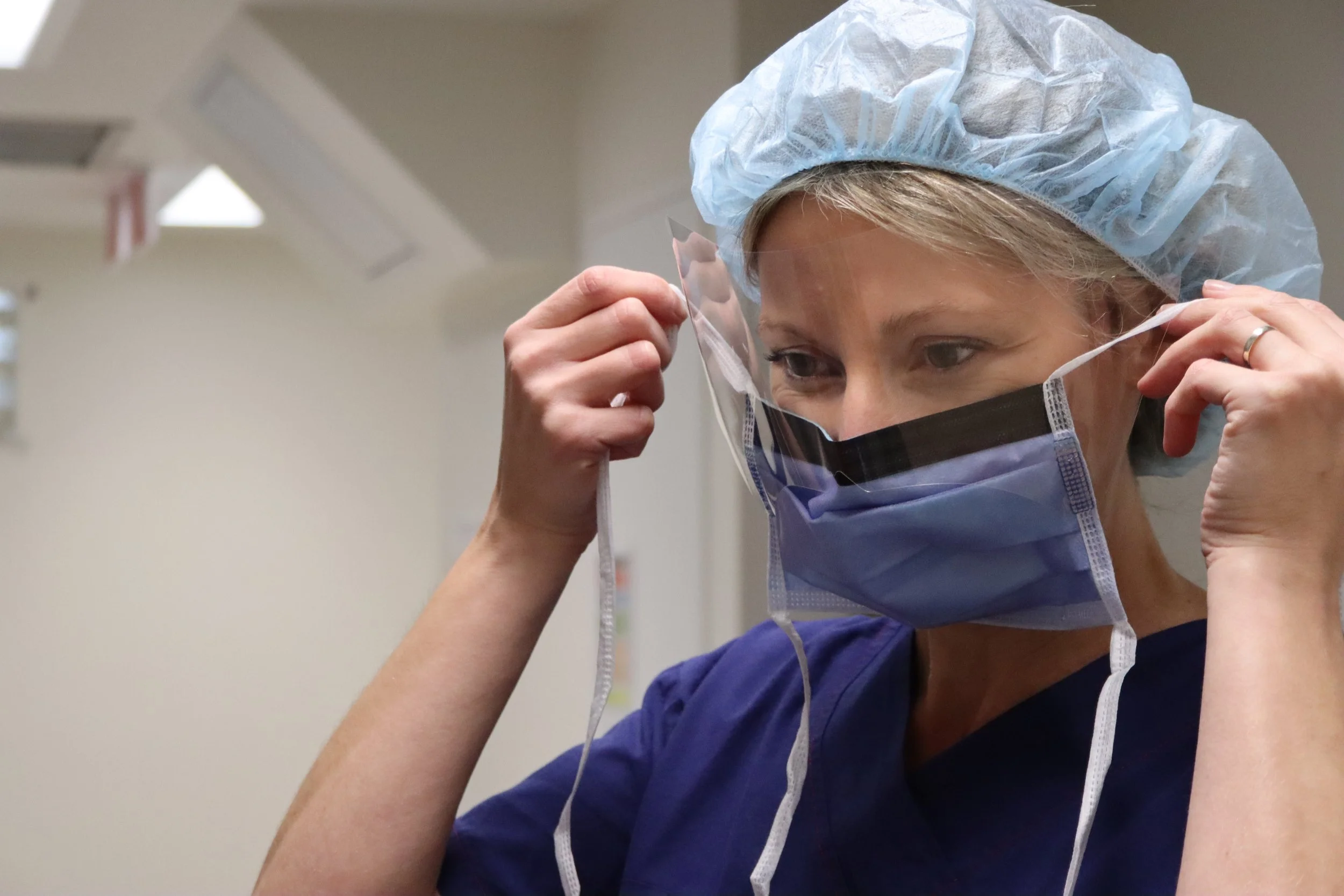
In Women’s Agenda, Dr Jasmina Kevric discussed research revealing that half of female doctors experience pregnancy complications, highlighting the toll of demanding workloads, long hours, and workplace pressures, and advocating for systemic changes to better support women in medicine.
-
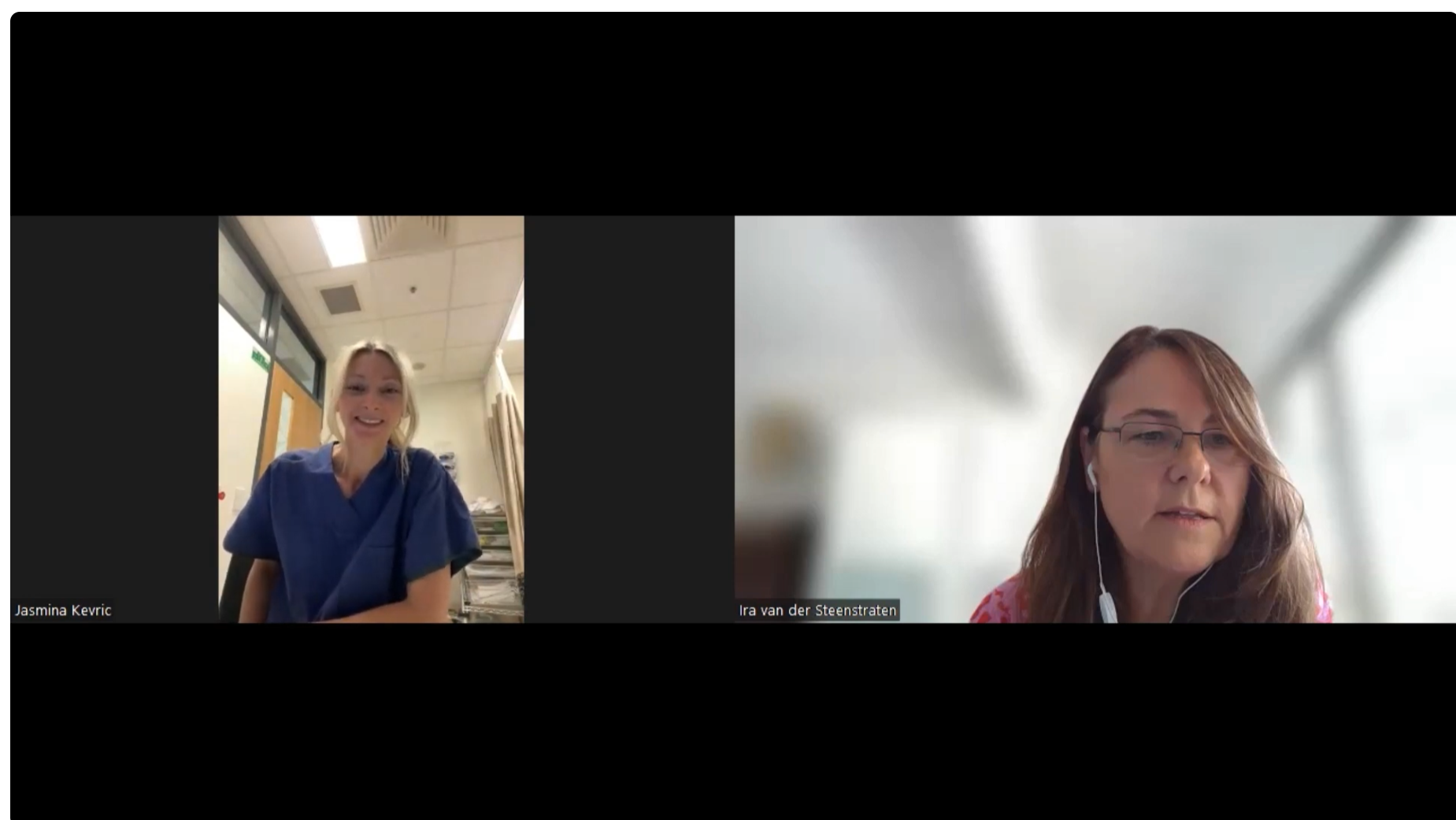
In an interview for QMWS President's chat, Dr Jasmina Kevric spoke about the benefits of flexible surgical training, sharing her own experiences balancing professional development with personal commitments, and advocating for systems that support trainee wellbeing and retention.
-
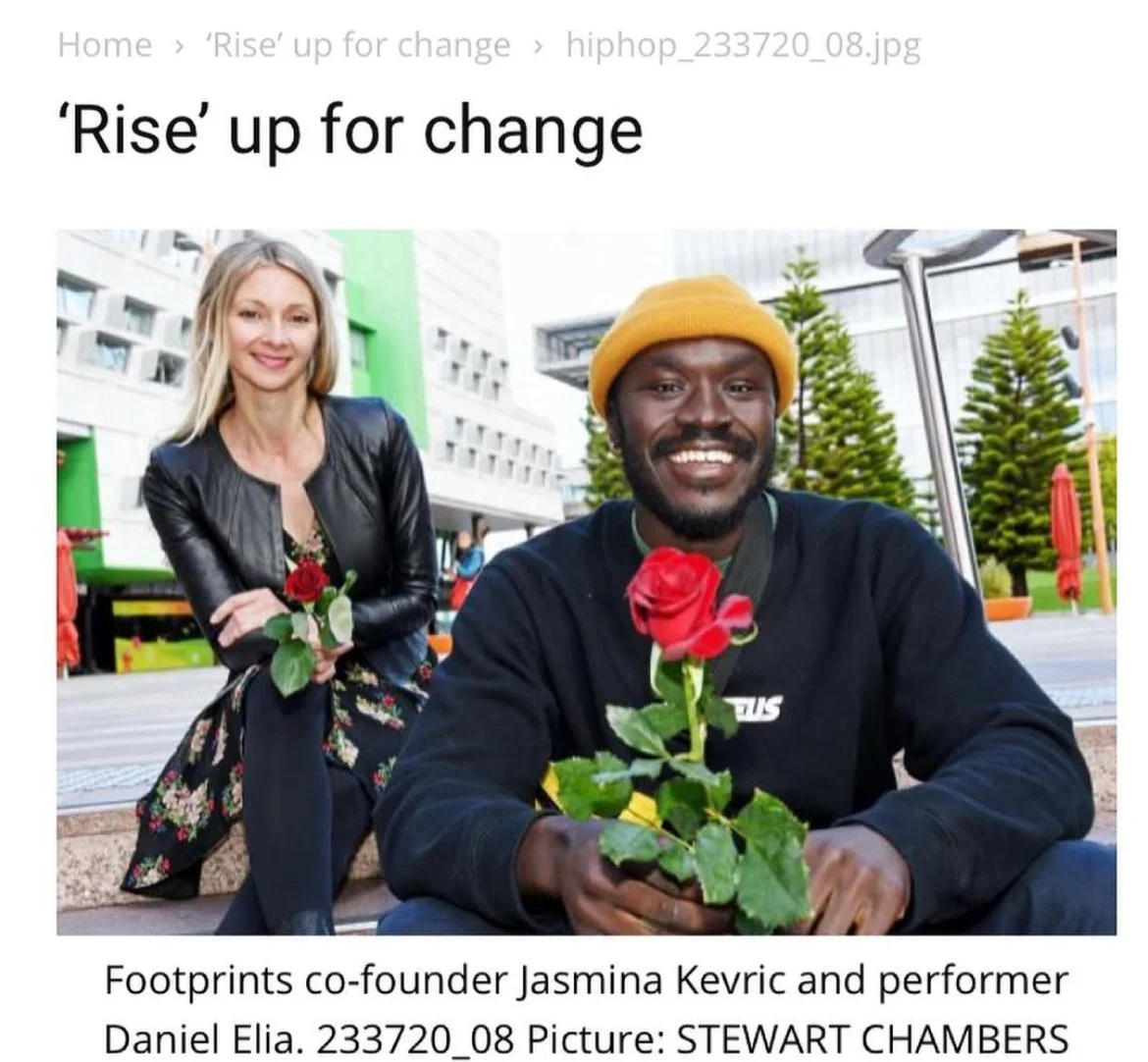
Dr Jasmina Kevric was featured in The Dandenong Journal highlighting positive refugee stories
-
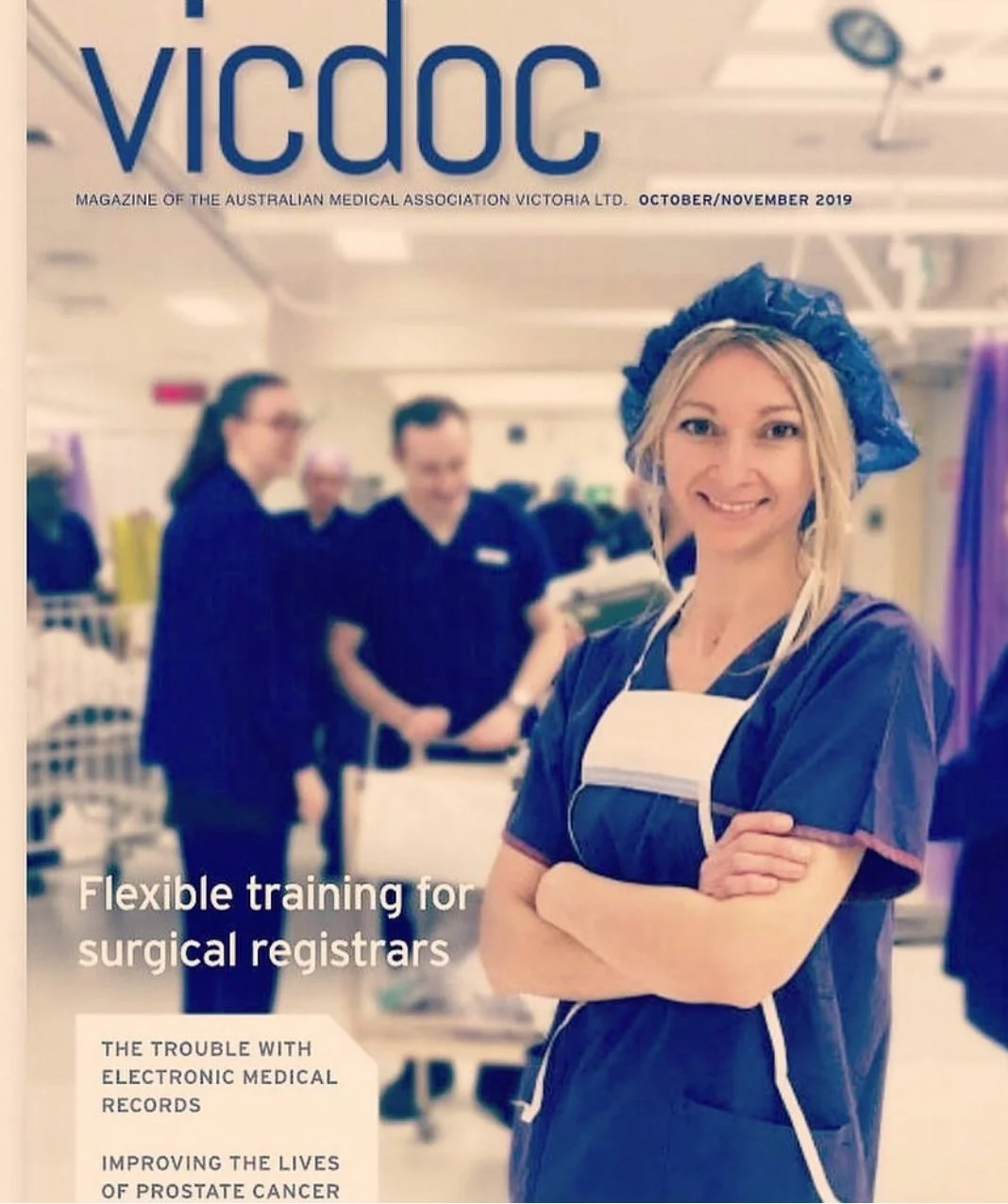
Featured on the cover of VicDoc (Australian Medical Association Victoria), Dr Jasmina Kevric discussed the importance of flexible training pathways for surgical registrars, highlighting how adaptability in training can support career progression, wellbeing, and workforce sustainability in surgery.
-
RACS post OP Podcast: Dr Jasmina Kevric explored the high rate of pregnancy complications among female doctors, discussing contributing factors such as long working hours, stress, and inadequate workplace support, and calling for policy and cultural changes to improve outcomes for women in medicine.