Breast Anxiety Is Real and We need to talk about it
By Dr Jasmina Kevric, Specialist Breast Surgeon
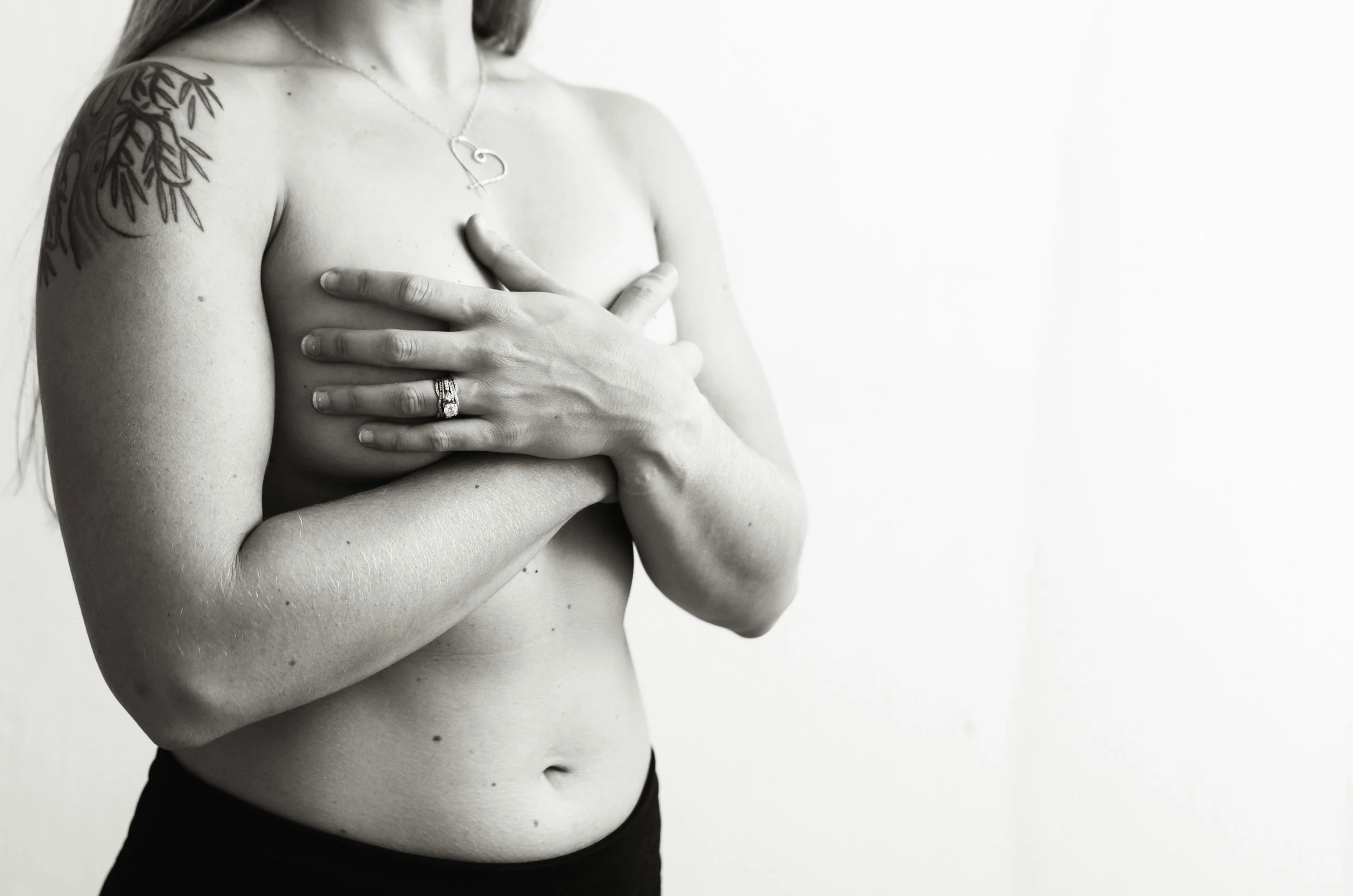
Every day in clinic, I see women hold their breath the moment they walk in. They’ve found a lump. They’ve had a scan. They’re waiting for results. And even when everything is benign, the fear can linger. We talk a lot about breast cancer but we don’t talk enough about breast anxiety.
And it’s more common than most people realise.
What Is Breast Anxiety?
Breast anxiety refers to the ongoing fear or worry about developing breast cancer or discovering an abnormality — even in the absence of symptoms or after receiving normal imaging results. While some anxiety is understandable, in some women it becomes chronic and distressing.
A 2020 study published in Psycho-Oncology found that up to 45% of women attending breast screening reported moderate to severe anxiety before their appointment, especially those with a family history or previous biopsies. For some, that anxiety persists long after.
As a breast surgeon, I see this daily: women who have completed treatment but continue to check their breasts obsessively, fear recurrence, or catastrophise normal sensations like hormonal breast pain.
The Psychological Impact Is Often Overlooked
Despite how common it is, breast anxiety is rarely discussed in medical settings. Why? Because much of our focus remains on diagnosis and treatment — not emotional health.
But we know from research that health-related anxiety can impact quality of life, sleep, relationships, and even lead to unnecessary medical interventions. In fact, a 2023 paper in The Breast Journal found that persistent anxiety following benign breast biopsies led many women to delay future screening out of fear — a counterintuitive but very human response.
Why Breast Anxiety Happens
Several factors can contribute:
Family history or BRCA gene awareness
Previous breast procedures (even benign results can leave psychological scars)
Media exposure to cancer stories
Trauma or health-related PTSD
Lack of confidence in understanding what’s “normal” breast variation
Breasts are also tied to identity, femininity, and sexuality — so anxiety around them can feel especially vulnerable.
What Can Help?
If you’re experiencing breast anxiety, know that you’re not alone — and that it’s valid.
Here are a few evidence-based strategies I often recommend:
Schedule regular screenings based on your individual risk profile, not emotion. Clarity reduces fear.
Limit “Dr Google” spirals. Online forums often amplify worst-case scenarios.
Understand your normal. Self-awareness — not constant checking — builds confidence.
Consider psychological support. Cognitive behavioural therapy (CBT) has shown benefit in health anxiety.
Ask your doctor questions. The more informed you are, the more empowered you feel.
A Final Word
Breast health is not just physical — it’s emotional. As a surgeon, I see the power of reassurance, education, and empathy. Yes, early detection saves lives. But so does reducing unnecessary fear.
If your anxiety is interfering with your daily life, you deserve support — not silence.