If you have ever had breast pain, you are not alone. It is time for a national conversation about breast pain
By Dr Jasmina Kevric, Specialist Breast Surgeon
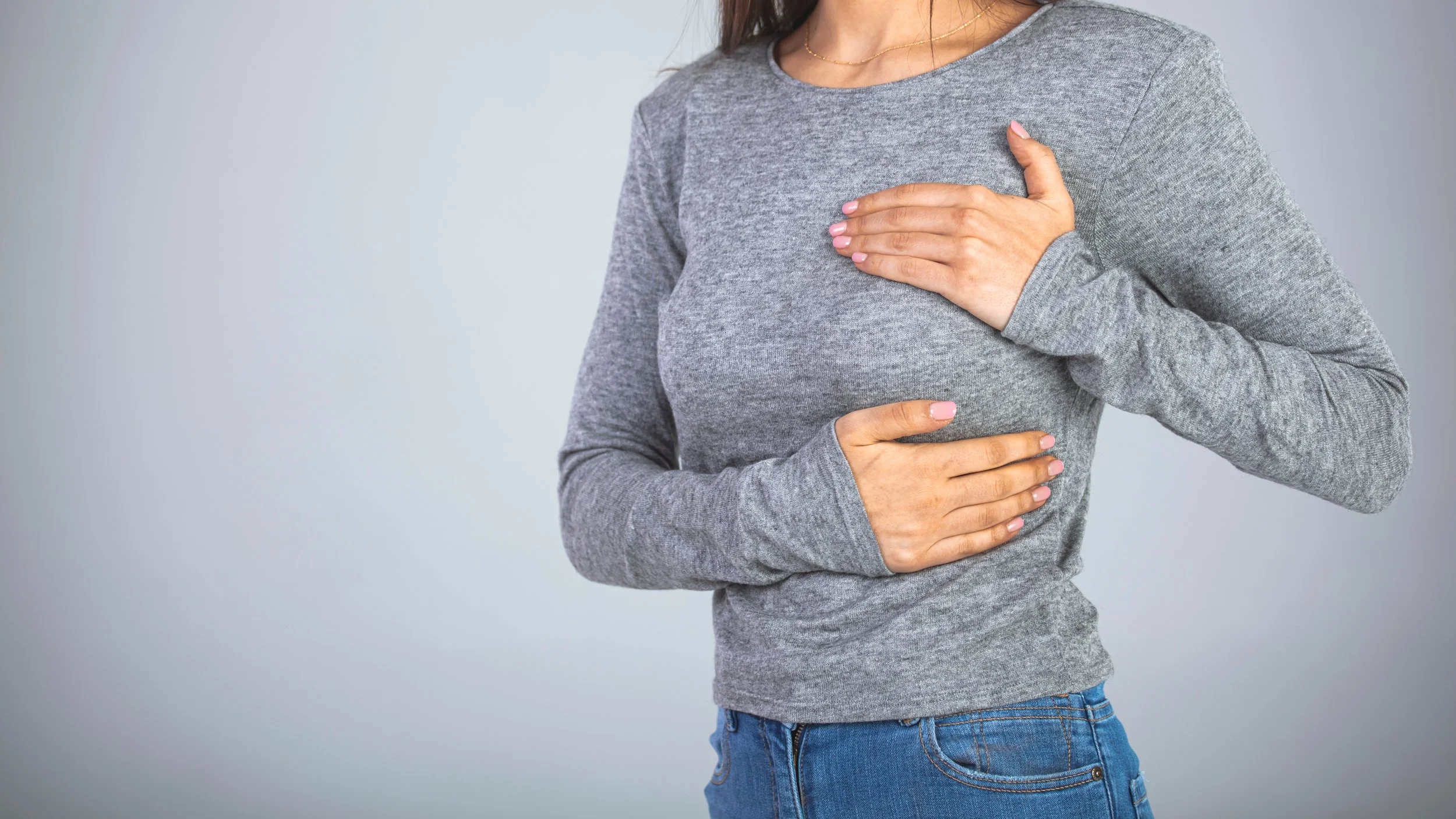
As a breast surgeon, I see women every week, many in their 20s and 30s, who are scared, confused, and often anxious about one thing: breast pain. Breast pain (mastalgia) affects more than 70% of women at some point in their lives (1). It can disrupt sleep, exercise, intimacy, and mental health. And yet, it is one of the most under-discussed and under-researched aspects of women’s breast health.
What women are experiencing
Recent research suggests that chronic breast pain leads to anxiety, depression, and even social isolation in up to 40% of affected women (2). And understandably, one of the first fears many women have is: “Is this breast cancer?” The good news is that breast pain is rarely linked to cancer, with only around 2% of women with breast pain have an underlying malignancy (3).
So what is causing all this pain?
There are two main types of breast pain:
Cyclical, linked to the menstrual cycle (affecting ~40% of premenopausal women)
Non-cyclical, which may be more localised and linked to specific physical factors or injuries
The causes are wide-ranging and include:
Hormonal fluctuations (especially in premenopausal women)
Muscle strain, poor posture, or tight bras
Fibrocystic breast changes (affecting up to 50% of women of reproductive age)
High caffeine intake, certain medications, and more
How we can do better for every woman experiencing breast pain
As a clinician, I believe the key is not just reassurance but real, individualised care. The psychological impact of chronic breast pain should not be underestimated, and a holistic approach to treatment, including mental health support when needed, is crucial to meet women where they are.
Here is how we can better support women with mastalgia:
Start by listening
Understanding the pattern of pain is essential. A pain diary can be a powerful tool. And while cancer is rare, proper imaging should be done when needed, especially if symptoms don’t follow typical patterns.Supportive bras aren’t optional, they’re essential
Research shows that well-fitted bras can significantly reduce breast pain, especially during physical activity (4). And yet, up to 80% of women are wearing the wrong size. A professionally fitted bra with wide straps, no underwire for exercise, soft for sleep, can be a game-changer.Lifestyle changes matter
High cortisol, excessive caffeine (>500mg/day), and smoking are all linked to more severe mastalgia.
Simple adjustments such as cutting back caffeine, improving sleep, reducing stress can lead to real improvements.There are treatment options that work
Evening primrose oil, for example, has shown success in 45–85% of cases of cyclical breast pain, but requires consistent use over several months (5). Other medications may also be effective, depending on the pain type. Make sure to talk to your doctor about what’s right for you.Don’t overlook complementary and physical therapies
While evidence varies, many women report improvement with acupuncture, yoga, and reflexology, likely due to stress reduction. And for those with musculoskeletal causes, physiotherapy and postural correction can significantly reduce pain in up to 60% of the time, according to studies (6).
The bigger picture: We must address women’s pain
Too many women are living with their breast pain because they think it is ‘normal’ or ‘nothing to worry about.’ We need a national conversation not just about breast cancer, but about breast health. And that includes pain. Because pain is not just a symptom but it is a sign that women deserve to be heard, taken seriously, and treated with care.
Reference:
1) Tahir MT, Vadakekut ES, Shamsudeen S. Mastalgia. [Updated 2025 Feb 6]. In: StatPearls [Internet]. Treasure Island (FL): StatPearls Publishing; 2025 Jan.
2) Aitken LA, Hossan SZ. The Psychological Distress and Quality of Life of Breast Cancer Survivors in Sydney, Australia. Healthcare (Basel). 2022 Oct 12;10(10):2017.
3) Tahir MT, Vadakekut ES, Shamsudeen S. Mastalgia. [Updated 2025 Feb 6]. In: StatPearls [Internet]. Treasure Island (FL): StatPearls Publishing; 2025 Jan-
4) Sivarajah R, Welkie J, Mack J, Casas RS, Paulishak M, Chetlen AL. A Review of Breast Pain: Causes, Imaging Recommendations, and Treatment. J Breast Imaging. 2020 Mar 25;2(2):101-111.
5) Kumari J, Amrita, Sinha A, Kumari S, Biswas P, Poonam. Effectiveness of Evening Primrose and Vitamin E for Cyclical Mastalgia: A Prospective Study. Cureus. 2024 Apr 11;16(4):e58055.
6) Brown N, Burnett E, Scurr J. Is Breast Pain Greater in Active Females Compared to the General Population in the UK? Breast J. 2016 Mar-Apr;22(2):194-201. doi: 10.1111/tbj.12547. Epub 2015 Dec 14